

what is a glass float
How to Replace a Water Valve A Step-by-Step Guide Water valves play a crucial role in plumbing systems, controlling the flow of water to various fixtures in your home. Over time, these valves can wear out, resulting in leaks or reduced water pressure. If you notice problems with your water valve, it may be time for a replacement. This guide will walk you through the step-by-step process of replacing a water valve, ensuring that you can tackle this task safely and efficiently. Tools and Materials Needed Before you begin, make sure you have the following tools and materials on hand - Replacement water valve (ensure you choose the correct size and type) - Pipe wrench or adjustable pliers - Screwdriver (flathead and Phillips, depending on your valve) - Teflon tape or plumber’s tape - Bucket or container (to catch any water) - Towels or rags (for drying up spills) Step 1 Turn Off the Water Supply The first and most important step is to turn off the main water supply to your home to prevent any leaks or flooding during the process.Locate the main shut-off valve, usually found near the water meter, and turn it clockwise until it stops. Open a faucet on a lower level to drain any residual water in the pipes. Step 2 Locate the Water Valve Identify the water valve you need to replace. Water valves may be located near fixtures like sinks, toilets, or washing machines. They are typically connected to pipes leading into the appliance. Step 3 Remove the Old Water Valve 1. Disconnect the Supply Line Use a pipe wrench or adjustable pliers to loosen and disconnect the water supply line from the valve . Have your bucket or container ready to catch any remaining water that may spill out. 2. Remove the Valve Once the supply line is disconnected, you can remove the old valve. Depending on the type of valve (such as ball or gate valves), you may need to unscrew it from the pipe with a wrench. Turn the valve counterclockwise to fully detach it. Step 4 Prepare to Install the New Valve how to replace water valve Before installing the new valve, clean the threads on the pipe where the old valve was attached. This will ensure a snug fit and help prevent leaks. If the threads are damaged, you may need to replace the section of pipe. Step 5 Install the New Water Valve 1. Apply Teflon Tape Wrap Teflon tape around the threads of the pipe. This tape helps create a watertight seal and makes it easier to screw the new valve onto the pipe. 2. Attach the New Valve Screw the new water valve onto the pipe, turning it clockwise. Use your pipe wrench to tighten it securely, but be careful not to overtighten, as this might damage the valve or the pipe. Step 6 Reconnect the Water Supply Line Reattach the water supply line to the new valve. Again, use your pipe wrench or pliers to tighten this connection securely. Ensure that the fittings are snug, as leaks can occur if they are too loose. Step 7 Check for Leaks Once everything is connected, it’s time to turn the water supply back on. Go to the main shut-off valve and turn it counterclockwise to restore the water flow. Afterward, check the new valve and the connections for any signs of leaking. If you notice any leaks, turn off the water again and tighten the connections as needed. Step 8 Final Checks and Cleaning Up After ensuring there are no leaks, turn on the faucet connected to your new valve to purge any air from the system and verify that water is flowing properly. Once you are satisfied with your work, clean up your workspace, putting away tools and disposing of any old parts. Conclusion Replacing a water valve may seem daunting at first, but with the right tools, materials, and careful attention to detail, it can be a manageable DIY project. Always prioritize safety by ensuring the water supply is off and take your time throughout the process. With this guide, you should be well-equipped to tackle that valve replacement with confidence. Happy plumbing!
about
what is a glass float
Introduction to the Slow Closing Check Valve The Slow Closing Check Valve is a critical component in hydraulic systems designed to regulate fluid flow and prevent backflow. This innovative valve is engineered to control the speed of opening or closing the main valve, ensuring optimal performance and reducing the risk of water hammer effects. Developed by Storaen (Cangzhou) International Trading Co. , the product combines advanced engineering with practical applications to meet the demands of modern industrial and commercial systems. Key Features of the Slow Closing Check Valve The Slow Closing Check Valve stands out due to its unique design and superior performance. Key features include: Novel Structure: The valve's innovative design ensures efficient operation and durability. Good Sealing Effect: Advanced sealing technology minimizes leakage and enhances system reliability. Low Resistance: The valve is designed to reduce flow resistance, improving overall system efficiency. Large Flow Capacity: It allows for high flow rates, making it suitable for demanding applications. Long Service Life: Constructed with high-quality materials, the valve offers extended operational longevity. These features collectively contribute to the valve's ability to maintain optimal performance under varying conditions, making it a preferred choice for critical hydraulic systems. Technical Specifications Parameter Specification Model 300X Flow Rate Large capacity (varies by application) Pressure Rating High-pressure resistant Material Durable alloys for corrosion resistance Sealing Mechanism Advanced sealing technology Adjustability Customizable to site-specific conditions Advantages of the Slow Closing Check Valve The Slow Closing Check Valve offers several advantages that make it a valuable asset in hydraulic systems: Reduced Water Hammer Effects: By controlling the speed of valve closure, the valve minimizes the risk of pressure surges, which can damage pipelines and equipment. Enhanced System Efficiency: The low resistance and large flow capacity ensure smooth fluid dynamics, reducing energy consumption. Customizable Performance: The valve can be adjusted to suit specific operational requirements, ensuring optimal performance in diverse environments. Longevity and Reliability: The durable construction and advanced sealing technology contribute to a long service life, reducing maintenance costs. Compatibility: Designed to integrate seamlessly with existing systems, the valve is suitable for a wide range of applications. These advantages highlight the valve's versatility and effectiveness in enhancing system performance and safety. Application Scenarios The Slow Closing Check Valve is widely used in various industries where precise flow control is essential. Key application scenarios include: Water Supply Systems: Prevents backflow and ensures consistent water pressure in municipal and industrial water distribution networks. Industrial Processes: Regulates fluid flow in manufacturing and processing plants, enhancing operational efficiency. HVAC Systems: Maintains stable pressure and flow in heating, ventilation, and air conditioning systems. Oil and Gas Industry: Controls the flow of liquids and gases in pipelines, reducing the risk of pressure surges and leaks. Power Generation: Ensures reliable operation of cooling and hydraulic systems in power plants. These applications demonstrate the valve's adaptability and importance in maintaining the integrity and efficiency of critical systems. About Storaen (Cangzhou) International Trading Co. Storaen (Cangzhou) International Trading Co. is a leading manufacturer and supplier of high-quality hydraulic components, including the Slow Closing Check Valve . With a commitment to innovation and excellence, the company has established itself as a trusted name in the industry. Storaen's products are designed to meet the stringent requirements of modern engineering, ensuring reliability, efficiency, and durability. Storaen's expertise in hydraulic systems is complemented by its dedication to customer satisfaction. The company provides comprehensive support, including technical assistance and customized solutions, to address the unique needs of its clients. This focus on quality and service has enabled Storaen to build a strong reputation in the global market. Authoritative Citations and References The design and functionality of the Slow Closing Check Valve align with industry standards and best practices. According to the National Institute of Standards and Technology (NIST), "Precision in fluid dynamics is critical for the efficient operation of industrial systems. [1]" NIST's research emphasizes the importance of advanced valve technologies in minimizing energy losses and enhancing system reliability. For further information on fluid dynamics and hydraulic systems, refer to the following NIST resources: NIST Official Website NIST Energy Research NIST Standards and Measurements [1] National Institute of Standards and Technology. (n.d.). Fluid Dynamics and Measurement Standards . Retrieved from https://www.nist.gov/ . Conclusion The Slow Closing Check Valve by Storaen (Cangzhou) International Trading Co. represents a significant advancement in hydraulic technology. Its innovative design, superior performance, and versatility make it an essential component for modern fluid systems. By addressing key challenges such as water hammer effects and flow resistance, the valve enhances system efficiency and reliability. For businesses seeking to optimize their hydraulic systems, the Slow Closing Check Valve offers a dependable solution that meets the highest standards of quality and performance. With Storaen's commitment to innovation and customer satisfaction, this product is poised to become a cornerstone in the future of hydraulic engineering.
-

High quality industrial productsagement

High quality industrial products
View Details -

Meet the diverse needs of customers

Meet the diverse needs of customers
View Details -

Strict quality control

Strict quality control
View Details -

Top raw materials

Top raw materials
View Details -

Trusted supplier

Trusted supplier
View Details
Our application


news and information
Wood Fence Post Cap
Wood Fence Post Caps Enhancing the Beauty and Functionality of Your Outdoor Space A wood fence post

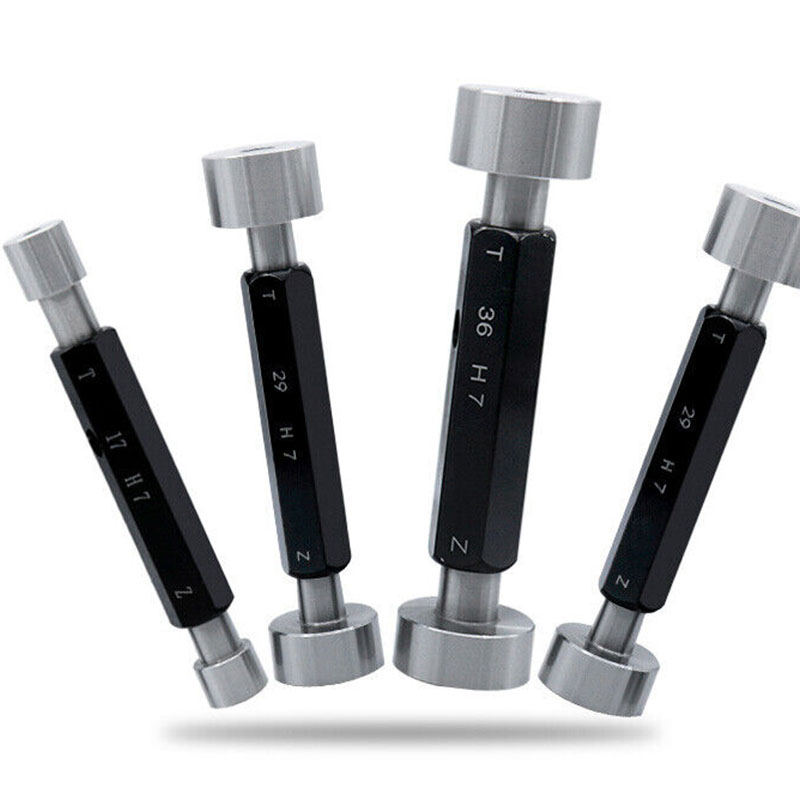
Versatile Thread Gauge for Precision Measurement and Adjustability in Mechanical Applications
Understanding Adjustable Thread Gauges A Tool for Precision Measurement In the world of engineering
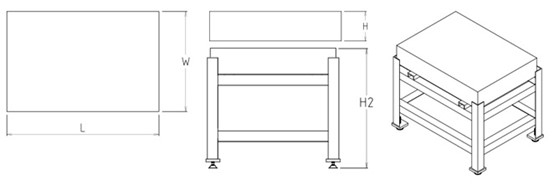
Welding Table Cast Iron Surface Finish Guide
As a wholesaler in the welding equipment industry, understanding the intricacies of welding table ca
 English